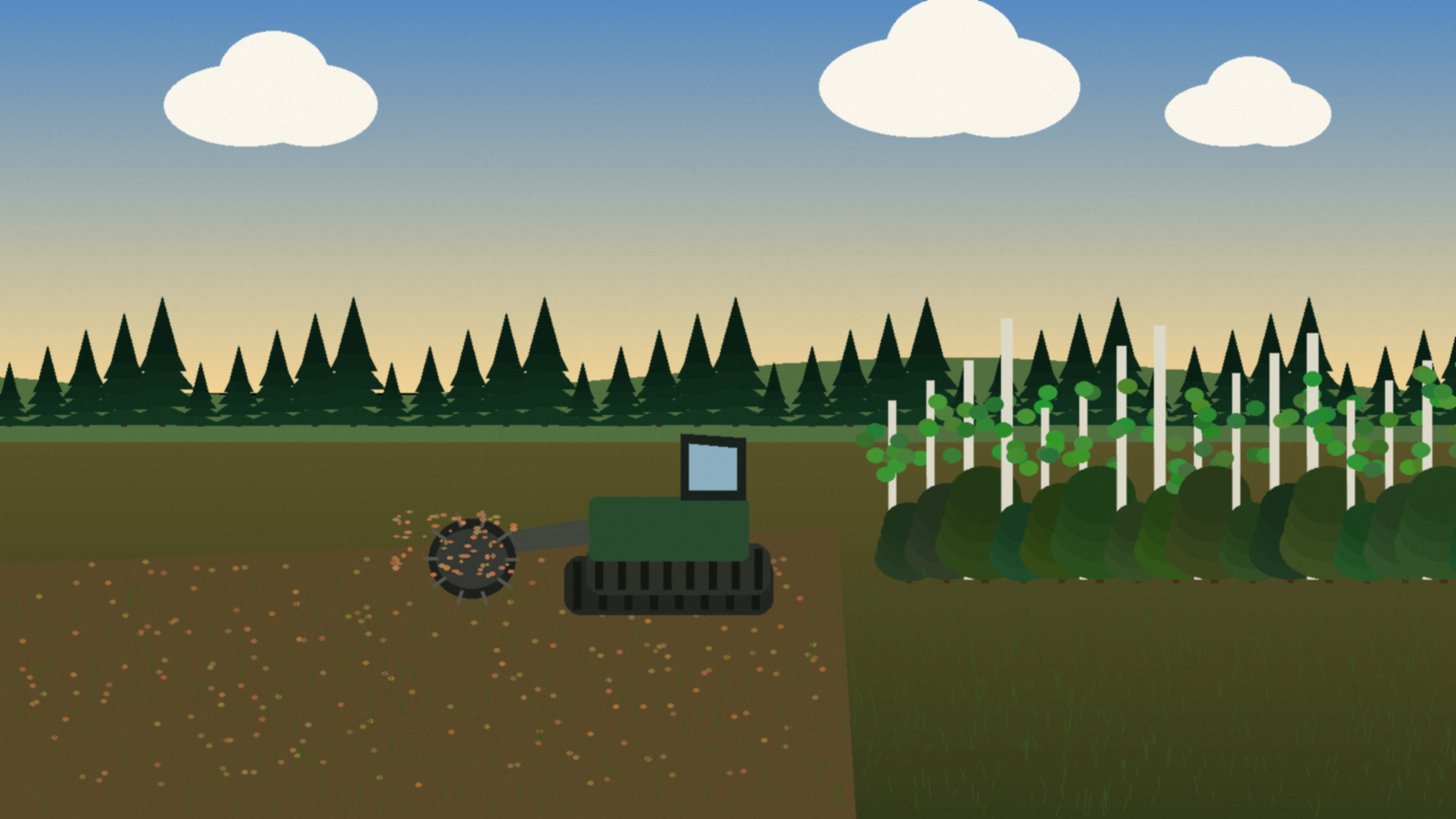
Local forestry mulching and land clearing crew
Forestry Mulching in Camrose
Camrose, Leduc County, Wetaskiwin, Millet, Calmar, and Hay Lakes.
Forestry mulching and land clearing for Camrose, Leduc County, and Wetaskiwin acreages, fence lines, and pasture reclaim. We come to the acreage.
Request a call-back
Name and phone are required. Town and the job help us send the right machine.
Before we roll the machine in
- Walk the line you want opened. Note fence posts, power lines, and trees that must stay.
- Tell us about old wire. Caragana and aspen hide cattle fence from forty years ago.
- If the ground is soup, we wait. Frozen-ground winter mulching is easier on turf than a wet May.
- Then call {{CALLRAIL_NUMBER}}. We are a local forestry mulching crew.
Fence line, pasture reclaim, acreage bush, or an oilfield lease edge — say which one. See forestry mulching if you want the method, or land clearing if you want the outcome.
When the bush closes in
A fence you cannot find is not a small inconvenience on an acreage. Cows walk through. A pasture turns into aspen. The lane gets narrow. Forestry mulching in Camrose is the call for that: we turn the stems into chips where they stand and you use the ground again.
We work rural south and east of Edmonton, not the city core. That means Camrose and the county roads out to Armena and Bittern Lake, Leduc County acreages around Calmar, Devon, and Nisku, and Wetaskiwin-area parcels on Hwy 2A and Hwy 13.
People look up forestry mulching near me when the caragana has eaten a half-mile of fence. Forestry mulching in this part of Alberta is seasonal — May through October, plus frozen-ground winter mulching when it is easier on turf. Call {{CALLRAIL_NUMBER}} and tell us the town, the highway, and whether this is a fence, a pasture, or the bush behind the shop.
Already know you need the ground opened, not a lecture on the machine? Go to land clearing. If the low stuff is the problem, use brush mulching. Stumps after a winter blow-down sit on stump grinding.
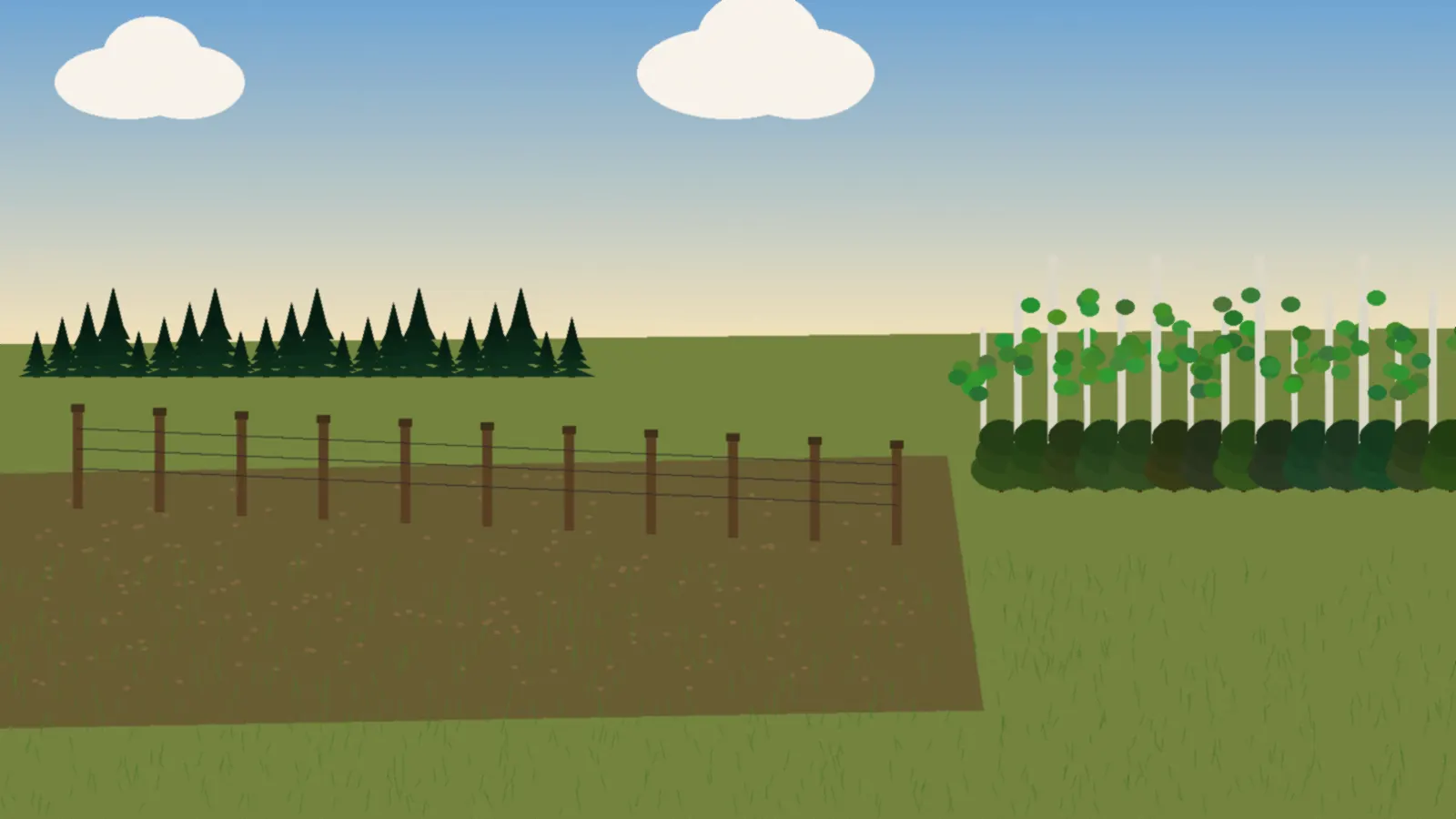
Services
Forestry mulching is the method. Land clearing is the outcome. Brush, trees, and stumps are different passes.
Forestry Mulching
In-place mulching of aspen, willow, and mixed bush. Chips stay on the ground.
Land Clearing
Open a fence line, pasture, or acreage so you can use the ground again.
Land Clearing Services
How a job runs: walk, mark, mulch, optional stump grind. Acreage and commercial.
Brush Mulching
Willow, rose, caragana, and the low stuff that fills a fence bottom.
Tree Mulching
Standing aspen and poplar. Not a log harvest. Trees become chips where they stand.
Stump Grinding
Grind what is left after trees come down so you can mow or reclaim pasture.
How a mulching job actually runs
Five steps. Walk, mark, mulch, grind if needed, walk it again. We do not guess at keepers from the road.
Walk
We walk the bush with you. Stem size, access, fence, power lines, and what has to stay.
Mark
Ribbon on keepers: a spruce by the house, a shelterbelt, a corner post. What is marked stays.
Mulch
The forestry head mulches in place. Trees and brush become chips on the ground. No burn pile.
Grind
Stumps that will snag a mower or a tire get ground. Not every stump needs it. We say so.
Walk again
We walk it with you before we leave. You get what we did, what we left, and the chips stay.
Money talk — ranges, not a bid
Stem size and access decide the day, not a round acre number copied off someone else’s site. Typical machine time on this kind of work often runs $250–$450 an hour depending on the head and how thick the stems are. A fence line is often a half-day to a day. Pasture reclaim is often several days. Typical stump grinding often runs $150–$400 per stump depending on diameter and access.
Those are typical ranges, not a bid. We look at the bush before we give you a number. If a tiny patch would be cheaper with a hoe and a pile, we say so. If you need a week on a grown-in quarter, we say that too.
Service area
Towns we actually drive to. Each one has its own roads, soil, and bush.
Camrose
Hwy 13 and Hwy 21. Aspen corners, caragana fence lines, Armena and Bittern Lake nearby.
Leduc County
Calmar, Devon, and Nisku acreages along the Hwy 2 corridor. Clay, wet low spots.
Wetaskiwin
Hwy 2A and Hwy 13. County parcels, aspen bluffs, Battle River sand on some quarters.
Millet
Between Leduc and Wetaskiwin on Hwy 2A. Tight acreage lots and grown-in shelterbelts.
Calmar
West of Hwy 2 on Hwy 39. Wind, long lanes, pasture reclaim and fence lines.
Hay Lakes
Hwy 21 village. Wet ground, willow, winter mulching when the turf is frozen.
What to tell us on the phone
- Town and nearest highway — Hwy 13, Hwy 21, Hwy 2, Hwy 2A, or Hwy 39.
- Fence line, pasture reclaim, acreage bush, lease edge, or stumps.
- Anything that must stay: a spruce by the house, a shelterbelt, a corner post.
- Old wire, buried lines, or a soft slough.
- Whether you want stumps ground or chips left as they fall.
We come to the acreage. Call {{CALLRAIL_NUMBER}} or send the form.
Request a call-back
Name and phone are required. Town and the job help us send the right machine.
Questions people ask
What is forestry mulching?
Forestry mulching is in-place land clearing. A forestry head turns standing trees and brush into chips on the ground. You keep the organic matter. You skip the burn pile and the log haul. It is the usual method here for fence lines, pasture reclaim, and acreage bush.
When do you work?
Main season is May through October. Frozen-ground winter mulching is useful when the turf would otherwise rut. Wet clay in spring is a reason to wait. We say so if the ground is too soft.
Do you quote by the acre?
We look at stem size, access, and how thick the bush is before we talk money. Typical machine time on this kind of work often runs $250–$450 an hour depending on the head and the stems. That is a range, not a bid. A fence line is often a half-day to a day. Pasture reclaim is often several days. We will not invent an acre rate as if every quarter were the same.
What is the difference between forestry mulching and land clearing?
Land clearing is the outcome: you can use the ground again. Forestry mulching is how we usually get there. Brush mulching is the low stuff. Tree mulching is standing aspen and poplar. Stump grinding is what is left in the dirt. Same crew, different part of the job.
Need the bush opened?
Local forestry mulching crew in Camrose, Leduc County, and Wetaskiwin. Call now or send the short form.